
Explore
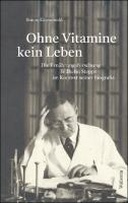


Wilhelm Stepp – from pioneer of vitamin research to co-architect of Nazi nutrition policy. An ambivalent figure in the shadow of the dictatorship. The essential organic substances collectively known as ‘vitamins’ are now an integral part of contemporary food-related discourse and constitute a market worth billions in Germany. A pioneer of German vitamin research was the internist Wilhelm Stepp, born in Nuremberg in 1882. He reached the pinnacle of his academic career in 1934 with his appointment to the University of Munich. Simon Gronewold analyses his work across the political turning points of the 20th century and the accompanying shift in the discourse on nutrition and vitamins. From 1933 onwards, Stepp clearly aligned himself with the Nazi regime and acted as a propagandist for its vision of ‘healthy public nutrition’. The author outlines the tension between scientific ambitions, political expediency and ideological co-optation within which Stepp’s career unfolded. As a member and chairman of the German Society for Internal Medicine and as a participant in nutritional policy measures, Wilhelm Stepp linked science with ideology. However, conflicts with the Nazi university structures and his assistance to people persecuted by the regime result in an ambivalent assessment of Stepp.
This book is included in DOAB.