
Explore
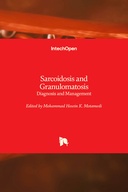
Sarcoidosis and Granulomatosis
0 Ungluers have
Faved this Work


Login to Fave
Sarcoidosis is a multi-organ, granulomatous disease the etiology of which remains unknown. It is characterized by T-cell dysfunction and B-cell hyperactivity with increased local immune activity and inflammation that leads to the formation of noncaseating granulomas in the organs involved. The lung and lymphatic system are the most commonly affected organs, however virtually any organ may be affected. Other common sites of involvement include the skin, eye, central nervous system, and the heart. Patients may present different symptoms related to the disease stage and the specific organ involved. Sarcoidosis is a global disease, and its prevalence has increased twofold over the past years. Due to the clinical heterogeneity and variable diagnostic criteria in different countries, it is difficult to calculate the exact prevalence and incidence of sarcoidosis. Age, sex, race, and geographic origin significantly influence the incidence of sarcoidosis. The book at hand seeks to assess the current diagnostic techniques, imaging techniques, differential diagnosis of this disease, as well as other granulomatous diseases mimicking sarcoidosis.
This book is included in DOAB.
Why read this book? Have your say.
You must be logged in to comment.
Rights Information
Are you the author or publisher of this work? If so, you can claim it as yours by registering as an Unglue.it rights holder.Downloads
This work has been downloaded 13 times via unglue.it ebook links.
- 13 - pdf (CC BY) at mts.intechopen.com.
Keywords
- Clinical & internal medicine
- Diseases & disorders
- immunology
- medicine
Links
DOI: 10.5772/intechopen.73968Editions